Why Some Wine Merchants Haven’t Changed… and Don’t Need To
Over the past few weeks I’ve come across a couple of wine merchants while searching for specific bottles. The kind you only really find when you start going a bit deeper, not just browsing the usual sites. What struck me wasn’t just the wines they stocked, but how they presented themselves. Some of these businesses…
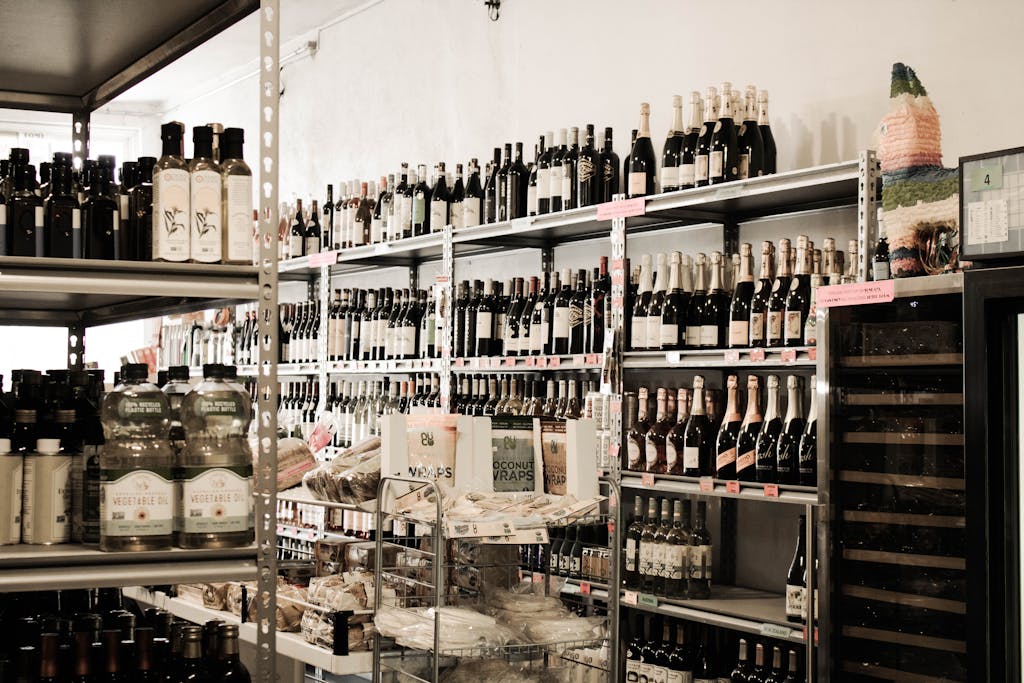
Over the past few weeks I’ve come across a couple of wine merchants while searching for specific bottles. The kind you only really find when you start going a bit deeper, not just browsing the usual sites. What struck me wasn’t just the wines they stocked, but how they presented themselves.
Some of these businesses look like they haven’t updated their websites in years. Not mobile optimised, fairly basic layouts, nothing flashy at all. And yet, they’re still there. Still trading. Still stocking wines I actually want to buy.
At first, I couldn’t quite get my head around it.
The Assumption Most of Us Make
Naturally, I think like most people in this day and age.
We’re conditioned to believe that a better website leads to more sales, that a smoother checkout means more conversions, and that a modern design reflects a stronger business. It’s hard not to think like that, especially when you spend time building websites and paying attention to user experience.
So when you land on something that feels outdated, it almost feels wrong. Like something is missing.
But then you look a bit closer.
What I Actually Found
These merchants aren’t trying to be everything to everyone, and that’s probably the point.
They tend to specialise. You can feel it straight away. The wines aren’t random, they’ve been chosen over time, often with a clear direction behind them. In some cases, they’ve been doing it for years without really changing course.
You start to realise quite quickly that the website isn’t the business. It’s just a window into something that already exists.
Behind that simple front end is everything that actually matters. The stock, the relationships, the knowledge, the customers who already trust them enough to come back again.
Why They Still Work
Wine doesn’t behave like most products.
People don’t usually stumble across a bottle and buy it within seconds. There’s often a bit of a journey involved. You hear about something, maybe in a video or a book, you make a mental note of it, and then at some point down the line you decide you want to try it.
When that moment comes, you don’t really care whether the website is perfect. You care whether the wine is available and whether you trust the person selling it.
That’s where these merchants quietly win. They’ve built something that doesn’t rely on constant optimisation or chasing trends. It’s built on consistency and experience, and in wine that still goes a long way.
Where The Opportunity Actually Is
At the same time, it’s hard not to notice there’s a bit of a gap.
There are people, myself included, who spend time researching wines, going back over lists, revisiting things we’ve seen or heard months ago. By the time we’re ready to buy, we don’t necessarily want to call someone or send an email. We just want a bit of clarity and an easy way to act on what we’ve already decided.
That moment between discovering a wine and actually buying it is quite interesting. It doesn’t always feel fully served, not because anyone is doing anything wrong, but because the way people discover wine now has changed slightly.
What this Taught Me
The more I look at it, the more I realise this isn’t really about websites at all.
It’s about understanding how people actually buy wine, and where the small moments of friction sit between interest and action. Some businesses have built their success long before any of that mattered, and they continue to rely on what they’ve always done well.
But for others, especially those looking to grow or adapt, there’s something in that gap worth paying attention to.
Not replacing what already works, but expanding how those wines are discovered, understood, and ultimately chosen.
It’s something I’ve found myself thinking about more and more recently, especially as I spend more time both learning about wine and observing how people go about buying it.
Final Thought
Wine is a strange product.
It changes over time, and in a way, so do the people who drink it. What you’re interested in now might not have meant much a year ago, and what you’re looking for in a bottle evolves as you learn more.
Maybe that’s why some of the businesses that have been around the longest don’t feel the need to move as quickly as everything else.
They understand something quite simple.
When someone is ready to buy, they’ll find their way there.
And when they do, all that really matters is that the wine is there, and that it’s right.
If you’re in the trade and have ever thought about how your wines are discovered and chosen online, it’s a conversation I’m always happy to have.